Carlyle-backed Twosome Place leads US push as Mega Coffee eyes entry
American coffee giants, Starbucks chief among them, have long held court in South Korea's cafe scene, but Korean brands have yet to claim similar ground stateside.
At a high tide of global interest in Korean culture, the country's cafe franchises are now knocking on the US market's door themselves, hoping their timing is better than it was the first time around.
This scramble abroad follows a squeeze at home, where Korea's coffee market has hit its ceiling. Expansion has mostly targeted Asia so far, but the US is the bigger prize, still the world's largest cafe market at a projected $61.5 billion by 2030, according to Euromonitor.
Brewing K-culture for round two
For Korean chains, "K-identity" isn't confined to the coffee cup, but is baked into the whole menu lineup.
Twosome Place, wholly owned by private equity firm Carlyle and the most forthcoming of the bunch, said earlier this month that it will open its first US store in October, in Old Town Alexandria, Virginia, with its sights set on roughly 15 US locations. The 78-seat location will offer roughly 80 products, including 33 cake varieties, 31 beverages and 8 ready-to-eat items.
"Our plan is to pair the domestic coffee and dessert model with Korean ingredients tailored to local tastes, and build the US into a launchpad for global growth," said Twosome CEO Moon Young-ju.
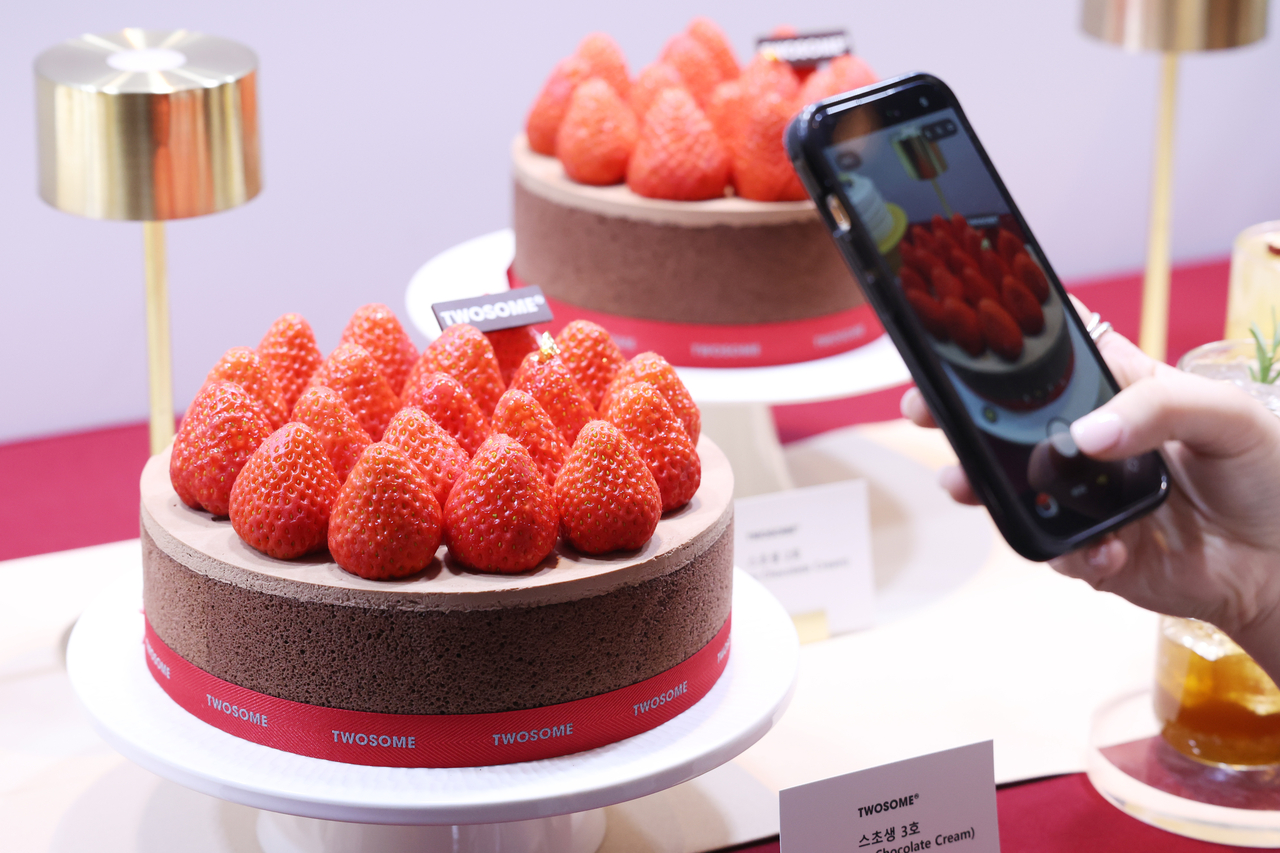
The chain is putting its best foot forward, anchored by a strawberry chocolate cream cake that sells more than 3 million units a year in Korea. The US menu localizes further still, with cakes built around Korean ingredients like black sesame and sweet rice cake, drinks including a roasted grain frappe, and a US-only food lineup aimed at K-food-minded local diners
The same market has caught other Korean chains' attention.
The Venti has signed a multi-unit franchise deal for a Las Vegas debut this year, and Paik's Dabang plans to enter the US next year alongside Taiwan and China. Ediya Coffee, with a store in Guam and its first Toronto location opened in April, now eyes the US mainland next.
This isn't the first time Korean coffee chains have tried the US, however.
Hollys was first out of the gate, launching in Los Angeles in 2008 before retreating. Cafe Bene came next in 2012, opening a New York flagship with hundreds of US stores in its sights, only to fold entirely. Only Tom N Toms made it through, still running about a dozen locations today.
Industry observers blame those failures on overly aggressive expansion, entrenched competition from the likes of Starbucks and a slowness to adapt to local tastes, though this chapter, some say, could end differently.
"Korea's having a moment now, culturally and food-wise. Menu items like hotteok, dalgona and black sesame have become selling points, real draws for customers," one industry official said.
At Ediya's Guam location, for instance, dalgona coffee has turned into one of the biggest magnets for customers, according to the company.
Even so, the US market rewards patience more than speed, given franchise laws that vary state by state, food safety rules that add another layer of cost, and legal, labor and operating expenses that run high across the board.
"Breaking through Starbucks and Dunkin' won't happen overnight," the official added. "This is a long game, and franchises need to prepare properly from the start."
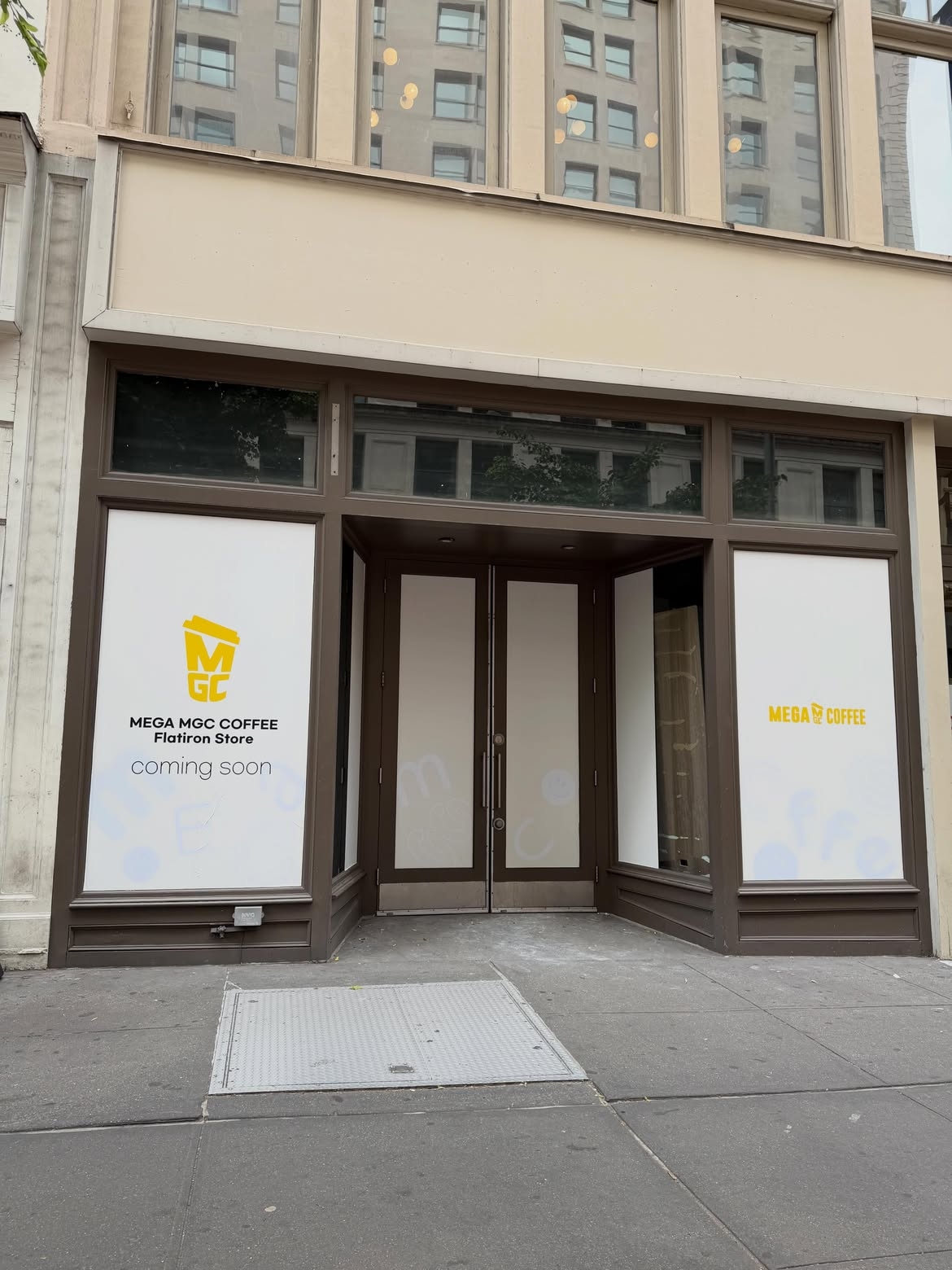
Most recently, Mega MGC Coffee, Korea's largest budget chain with nearly 4,500 domestic stores, is said to be building a Manhattan location.
"Nothing has been finalized on the New York entry," a company official said, noting that overseas expansion remains under active review, though details stay undisclosed.
The chain would likely lean on the same large-volume, low-price takeout model that built its domestic base, layered with trend-driven menus and K-pop artist collaborations, industry officials said.
minmin@heraldcorp.com